A Russian emigré who was interned by the Nazis in World War II and worked to save Jews from the Holocaust. She spent the last 32 years of her life in Cornwall.
-------------
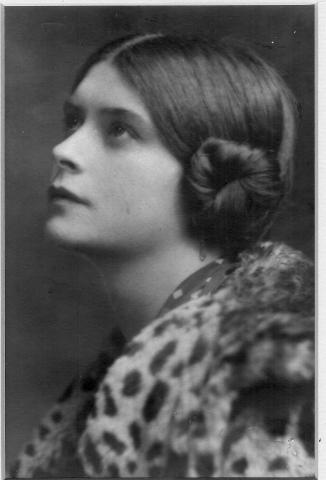
Born in St Petersburg in 1907 as Princess Sofka Dolgrouky, she was brought up with a privileged life (an English governess and playing with the Tsarevich) until the Revolution changed everything in 1917. She and her grandmother escaped from Crimea with the Dowager Empress on a British war ship, and went to London.
As an adult, she married Leo Zinovieff, a fellow Russian emigré and they had two children, including Peter Zinovieff (1933-2021) electronic music pioneer. https://en.wikipedia.org/wiki/Peter_Zinovieff
After they divorced, she married Grey Skipwith and they had one son.
Before the War, Sofka worked for the Old Vic theatre and for Laurence Olivier, who became a personal friend.
At the start of the war, Sofka visited her mother in Paris. Princess Sophy Volkonsky (née Bobrinksy) was descended from Catherine the Great and as a young woman had been a doctor, one of the first female pilots in Russia and a rally car driver. She was now working as a taxi driver. Sofka became trapped in France by the Nazi invasion and was eventually interned at Besançon and then Vittel. At the latter, she worked with the French resistance, and helped smuggle a Jewish baby out of the camp. She was later recognised as a Hero of the Holocaust by the British Government and by Yad Vashem as Righteous Among the Nations for her efforts to help the Jews at Vittel. A number were saved from the death camps because of her campaigning – she sent secret messages to the authorities in the UK and at the Red Cross, smuggled out in toothpaste tubes.
Sofka’s experiences during the War and her anti-fascist beliefs led her to join the British Communist Party when she returned to London. She was finally able to see her three sons after four years. MI5 opened her letters and tapped her phone calls, amassing a large file on her activities. This activity increased when she worked for the communist travel agency, Progressive Tours, which took tourists from the UK to countries in the Soviet Bloc. She delighted the Soviet authorities (‘Comrade Princess’) and liked showing the visitors her family home that was now transformed into a university department.
It wasn’t only Sofka’s left-wing beliefs that scandalised her fellow White Russians (their lives had been upset so badly by Communism, they said it was like a Jew becoming a Nazi), but her love life. Her liberated views on female sexual freedom were ahead of her times and she claimed to have had over a hundred lovers.
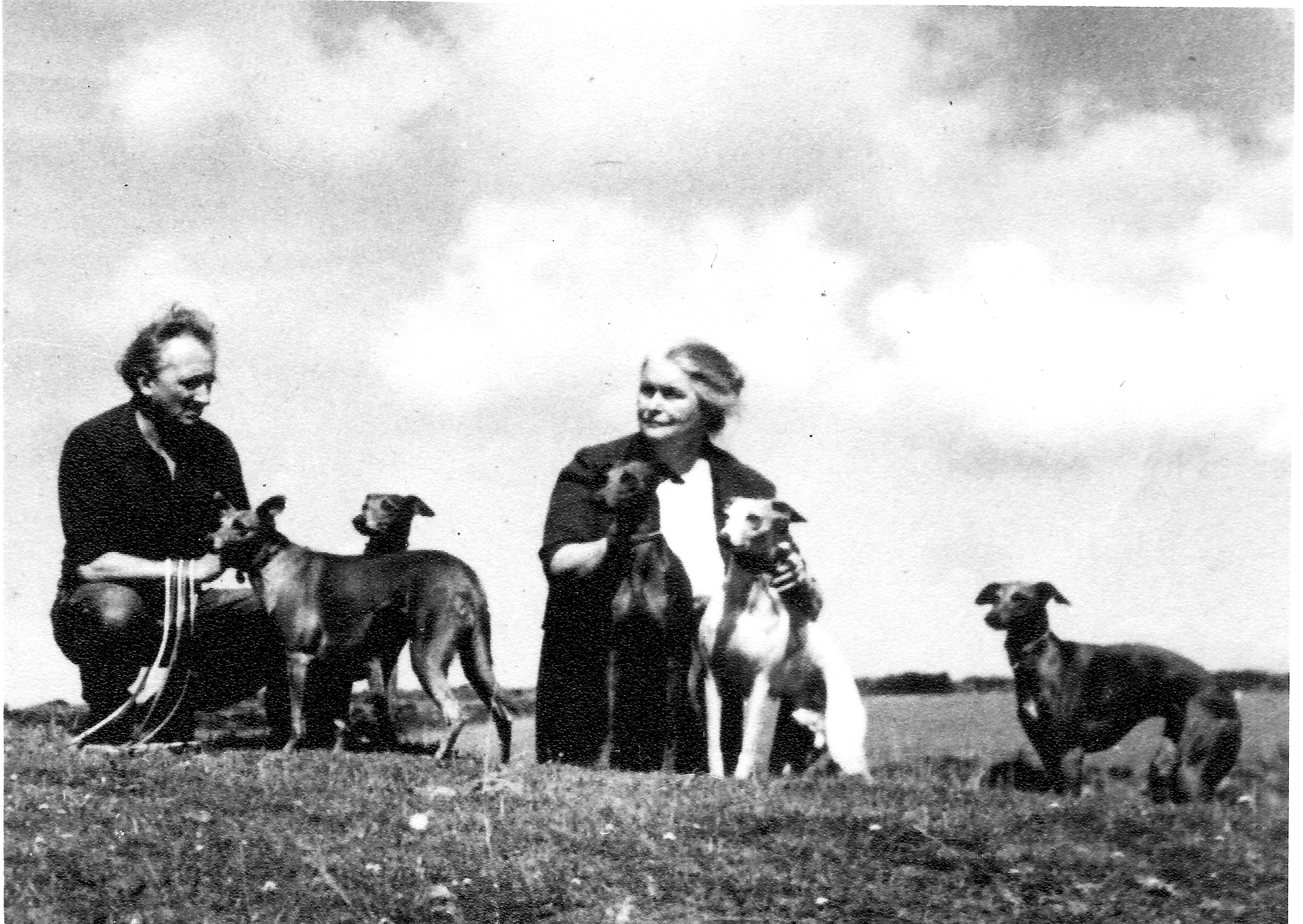
It was while taking a Progressive Tours trip to the USSR that Sofka met Jack King, a former factory worker from London. In 1962, they moved to Cornwall, buying a small cottage near Blisland on Bodmin Moor. The last 32 years of Sofka’s life were in sharp contrast to the earlier decades and a time for reflection and writing. In Cornwall she had time to write (Sofka: The Autobiography of a Princess and a Russian cookbook). She loved the remote life on the moor, and the couple had many whippets, which they walked there. However, they also had many visitors, including from fellow prisoners in the internment camp.
Her granddaughter, Sofka Zinovieff, wrote Red Princess: A Revolutionary Life (Granta 2007), which revealed many incidents and relationships not spoken about by her grandmother, including a love affair with a Jewish prisoner at Vittel, who was murdered in the death camps, and the MI5 files. https://sofkazinovieff.com/books/red-princess/